Lung Cancer Treatment Options
If you or a loved one is diagnosed with lung cancer, understanding treatment options is essential. Let’s explore the various ways lung cancer can be treated, offering hope and options for those affected.
If you or a loved one is diagnosed with lung cancer, understanding treatment options is essential. Let’s explore the various ways lung cancer can be treated, offering hope and options for those affected.
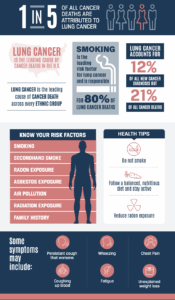
Preventing lung cancer is possible with lifestyle adjustments, risk awareness, and screenings. Here’s what you need to know about the factors that increase lung cancer risk and how to reduce them.
Lung cancer is a leading cause of cancer deaths worldwide, and its early symptoms are often overlooked or mistaken for less serious conditions. In this post, we’ll discuss what lung cancer is, explore its types, and focus on understanding the symptoms, so individuals can recognize early warning signs.
Family history plays a critical role in understanding your risk of breast cancer. Open discussions with both your family and healthcare provider can provide essential insights that could save lives.

A breast cancer diagnosis can be overwhelming, but today’s medical advances offer many treatment options tailored to each patient’s unique needs.
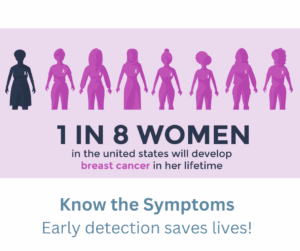
Breast cancer is one of the most common cancers affecting women worldwide. Early detection can significantly improve treatment outcomes, so it’s crucial to be aware of the symptoms and know when to seek medical attention. In this blog, we’ll discuss the key signs and symptoms of breast cancer, helping you stay informed and proactive about your breast health.
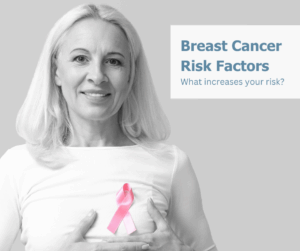
Breast cancer can affect anyone, but some individuals are at a higher risk than others. Understanding your risk factors is a critical step in prevention and early detection. In this second part of our Breast Cancer Awareness Month blog series, we’ll dive into the various factors that can increase the likelihood of developing breast cancer.
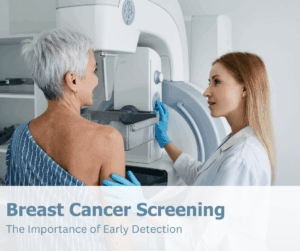
October is Breast Cancer Awareness Month, and there’s no better time to discuss one of the most crucial factors in beating this disease: early detection through screening. Regular screenings can dramatically increase the chances of catching breast cancer in its early stages when it’s most treatable.
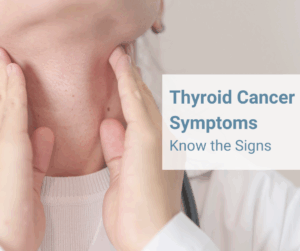
Thyroid cancer is a type of cancer that originates in the thyroid gland, located at the base of the neck. While it is relatively rare compared to other cancers, its incidence has been increasing in recent years. Early detection and advancements in treatment have improved outcomes, making it essential to understand the basics of thyroid cancer, its symptoms, and available treatment options.

As the year comes to a close, many of us start thinking about resolutions and fresh starts. But when it comes to your health, you don’t have to wait for January to begin making powerful choices.

The holiday season can be joyful—but for those facing cancer, it can also feel overwhelming. It’s okay to need support, to set boundaries, or to approach the season differently than before.

Fatigue is one of the most common—and frustrating—side effects of cancer treatment. It’s more than feeling tired; it’s a profound lack of energy that rest alone can’t fix. The good news: there are proven strategies to help.

Nutrition plays a vital role in maintaining strength and supporting the immune system during cancer treatment. As we enter the colder months, it’s a perfect time to focus on foods that help your body stay resilient.
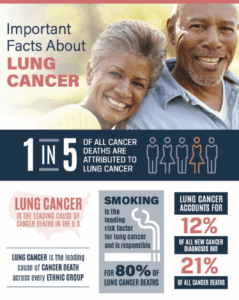
November marks National Lung Cancer Awareness Month, a time dedicated to increasing education, encouraging early detection, and supporting those affected by the disease.
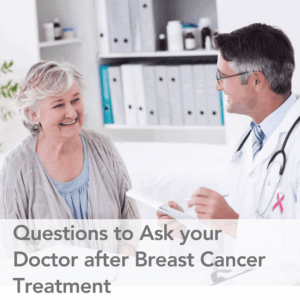
Completing breast cancer treatment is a huge milestone, but your care doesn’t stop there. Follow-up care helps ensure your recovery stays on track, monitors for recurrence, and supports your overall health and well-being.
October is a reminder not just to wear pink, but to take meaningful steps toward protecting your health.

A breast cancer diagnosis can feel overwhelming, but today’s treatment options are more effective and personalized than ever before. The right plan depends on the type, stage, and biology of the cancer, as well as a patient’s overall health and preferences.
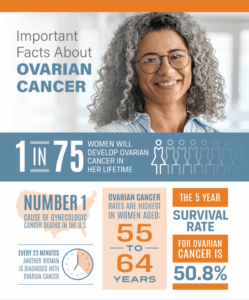
Ovarian cancer is often called the “silent cancer” because its early symptoms can be mistaken for other conditions. Understanding risk factors and warning signs is crucial.
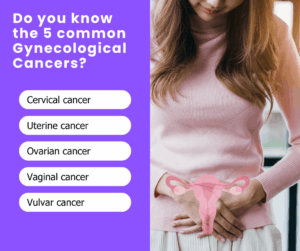
Gynecologic cancers include cancers of the cervix, ovaries, uterus, vulva, and vagina. Awareness and regular screening can make a life-saving difference.