Holiday Hours

December 25, 2025 – Closed

January 1, 2026 – Closed

As of the afternoon of January 23, 2025, our phones are operational. Thank you for your patience as our phone provider experienced a national outage that impacted our phone services on the afternoon of January 22 and the morning of January 23.
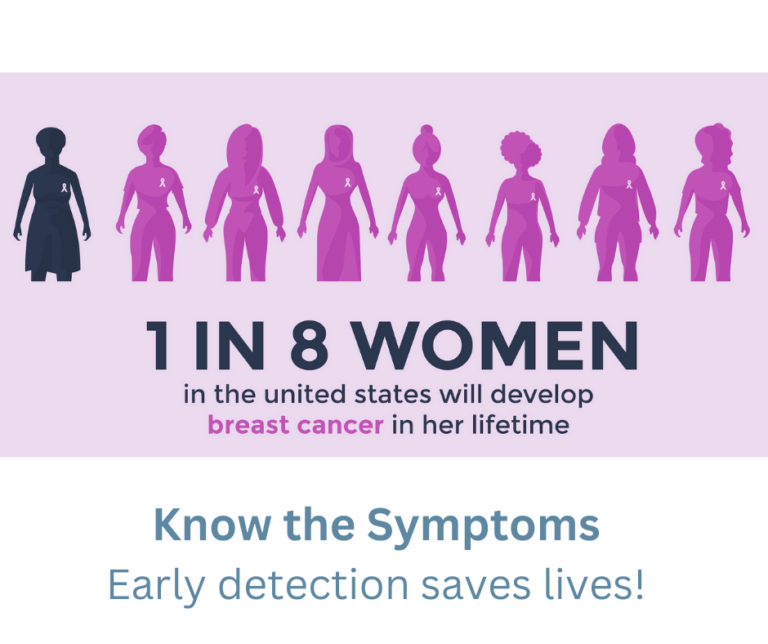
Understanding Breast Cancer Symptoms: What to Look For and When to Seek Help

Understanding Breast Cancer Symptoms

Breast cancer is one of the most common cancers affecting women worldwide. Early detection can significantly improve treatment outcomes, so it’s crucial to be aware of the symptoms and know when to seek medical attention. In this blog, we’ll discuss the key signs and symptoms of breast cancer, helping you stay informed and proactive about your breast health.

Common Symptoms of Breast Cancer

  1. Lump or Mass in the Breast
    One of the most common signs of breast cancer is the presence of a lump or mass in the breast. While many breast lumps are benign (non-cancerous), it’s important to have any new or unusual lumps evaluated by a healthcare provider. Cancerous lumps are often hard, painless, and have irregular edges, but some may feel soft or tender.
  2. Swelling in All or Part of the Breast
    Even without a noticeable lump, swelling in any part of the breast can be a sign of breast cancer. This swelling may cause the breast to feel tender or different in size compared to the other breast.
  3. Changes to the Skin
    Skin changes on the breast, such as dimpling (often resembling an orange peel texture), redness, or scaling, may be a sign of an underlying issue, including inflammatory breast cancer. These skin changes can be subtle but are significant indicators of a problem.
  4. Nipple Changes
    Any changes to the nipple, such as inversion (turning inward), discharge (other than breast milk), or pain in the nipple area, could be a sign of breast cancer. Bloody or clear nipple discharge is especially concerning and should prompt immediate evaluation.
  5. Breast or Nipple Pain
    While most breast cancers are not painful in the early stages, some women experience persistent pain in the breast or nipple area. Unexplained breast pain that does not subside with your menstrual cycle or persists for a long time warrants a medical check-up.
  6. Lymph Node Changes
    Swelling or tenderness in the lymph nodes under the arm or around the collarbone can be an early sign of breast cancer spreading to nearby lymph nodes. This symptom often accompanies other breast changes but can occur before any noticeable breast issues.
  7. Breast Size or Shape Changes
    Any unexplained changes in the size or shape of your breast, especially if only one breast is affected, should be investigated. You may notice asymmetry, or one breast may feel firmer or larger than before.

Less Common Symptoms

  • Itching or Warmth in the Breast
    Although rare, some breast cancers, particularly inflammatory breast cancer, can cause the breast to feel warm, itchy, or appear red and swollen. These symptoms may be mistaken for an infection, so it’s essential to rule out cancer if antibiotics don’t resolve the issue.
  • Rash on or Around the Nipple
    A persistent rash on or around the nipple, or a condition known as Paget’s disease of the breast, may present as flaky or scaly skin. This is a rare form of breast cancer, but it’s vital to have any persistent nipple rash checked by a doctor.

When to See a Doctor

It’s important to note that many breast changes, such as lumps or skin texture variations, are not cancerous and may be due to benign conditions like cysts or hormonal fluctuations. However, because breast cancer can present with subtle symptoms, you should see your doctor if you notice any of the following:

  • A new lump or mass in the breast
  • Persistent pain or discomfort in the breast or nipple
  • Changes in the appearance of the breast, nipple, or skin
  • Unexplained nipple discharge, especially if bloody
  • Swelling or tenderness in the lymph nodes

The Importance of Regular Screening

While being vigilant about breast cancer symptoms is crucial, routine screening plays a major role in early detection. Mammograms can often detect breast cancer before any symptoms appear, especially in women over 40 or those with a family history of breast cancer. Speak to your healthcare provider about the best screening schedule for your age and risk factors.

Conclusion

Breast cancer symptoms can vary widely, and some may go unnoticed in the early stages. By staying informed about the potential signs and seeking timely medical advice, you can take control of your breast health. If you notice any unusual changes in your breasts, don’t hesitate to make an appointment with your healthcare provider.

Early detection saves lives. Be proactive, stay aware, and schedule regular screenings to protect your health.

Like What You See? Share With A Friend!

EXPERT CARE

Our caring team of experts are here to provide you with a custom-tailored treatment plan that is unique to your diagnosis, tumor size, location and involvement. Click on the button below to learn more.