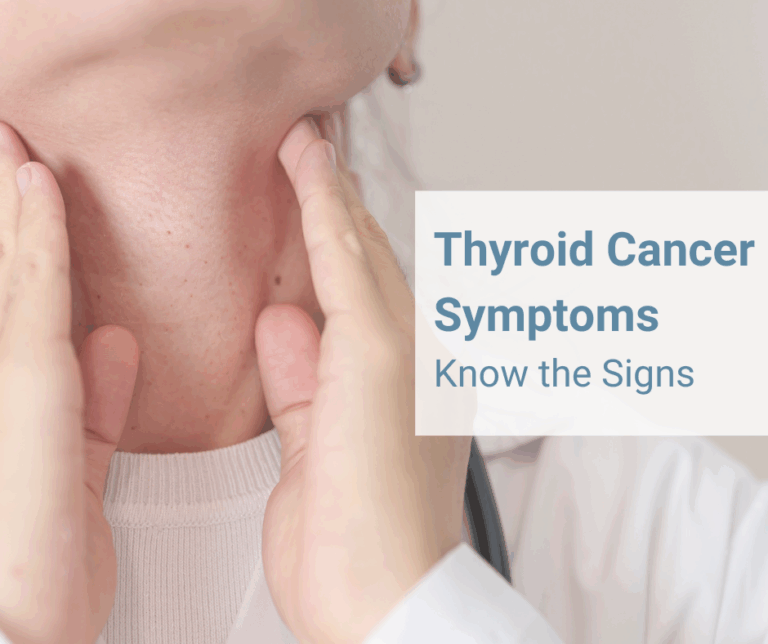
Thyroid cancer is a type of cancer that originates in the thyroid gland, located at the base of the neck. While it is relatively rare compared to other cancers, its incidence has been increasing in recent years. Early detection and advancements in treatment have improved outcomes, making it essential to understand the basics of thyroid cancer, its symptoms, and available treatment options.
What Is Thyroid Cancer?
The thyroid is a butterfly-shaped gland that produces hormones regulating metabolism, heart rate, and body temperature. Thyroid cancer occurs when abnormal cells in the thyroid gland begin to grow uncontrollably. There are several types of thyroid cancer, including:
- Papillary Thyroid Cancer: The most common type, which usually grows slowly and often affects younger individuals.
- Follicular Thyroid Cancer: Generally grows more slowly and may spread to other parts of the body.
- Medullary Thyroid Cancer: Arises from C cells in the thyroid and may be associated with genetic syndromes.
- Anaplastic Thyroid Cancer: A rare and aggressive form that tends to grow quickly and is more challenging to treat.
Symptoms of Thyroid Cancer
In its early stages, thyroid cancer may not present noticeable symptoms. However, as the disease progresses, the following signs may appear:
- A Lump in the Neck: Often the first noticeable symptom, which may be detected during a routine physical exam or self-examination.
- Swollen Lymph Nodes: Particularly in the neck or upper chest.
- Difficulty Swallowing: Feeling of pressure or obstruction in the throat.
- Hoarseness or Voice Changes: Persistent changes in voice that do not improve.
- Persistent Cough: A cough that does not resolve and is not related to a respiratory infection.
- Pain in the Neck or Throat: Unexplained and persistent pain.
If you experience any of these symptoms, it is crucial to consult a healthcare provider for evaluation and diagnosis.
Diagnosis of Thyroid Cancer
Diagnosing thyroid cancer involves several steps:
- Physical Examination: Your doctor will examine your neck for lumps or swelling.
- Ultrasound: A non-invasive imaging test that helps visualize the thyroid gland and identify any abnormal growths.
- Fine Needle Aspiration (FNA) Biopsy: A procedure where a thin needle is used to collect a sample of thyroid tissue for microscopic examination.
- Blood Tests: To check thyroid hormone levels and other markers that may indicate thyroid dysfunction.
- CT Scan or MRI: Imaging tests that help determine if cancer has spread to other areas of the body.
Treatment Options for Thyroid Cancer
Treatment for thyroid cancer depends on the type, stage, and individual patient factors. Common treatment options include:
- Surgery
- Thyroidectomy: Removal of part or all of the thyroid gland. This is often the primary treatment for thyroid cancer and may involve removal of nearby lymph nodes if cancer has spread.
- Radioactive Iodine Therapy
- Purpose: To target and destroy any remaining thyroid cancer cells after surgery. Radioactive iodine is taken orally and is absorbed by thyroid cells, including cancerous ones.
- External Beam Radiation Therapy
- Purpose: To treat cancer that cannot be removed surgically or has spread to other areas. High-energy rays are directed at cancerous tissues.
- Targeted Therapy
- Purpose: To use medications that specifically target cancer cells’ growth and spread. This option is generally used for more advanced cases or specific types of thyroid cancer.
- Hormone Therapy
- Purpose: To replace thyroid hormones that are lost after thyroid removal. This helps maintain normal metabolism and prevent cancer recurrence.
Living with Thyroid Cancer
Living with thyroid cancer involves regular follow-up care to monitor for any recurrence or complications. This includes:
- Routine Check-Ups: Regular visits to your healthcare provider for monitoring thyroid function and overall health.
- Blood Tests: To check thyroid hormone levels and detect any signs of recurrence.
- Lifestyle Adjustments: Maintaining a healthy diet, managing stress, and staying physically active can support overall well-being.
Thyroid cancer, while less common than other cancers, requires careful attention and treatment. Understanding the symptoms, diagnostic process, and available treatments can empower patients and their families to navigate this journey with confidence.