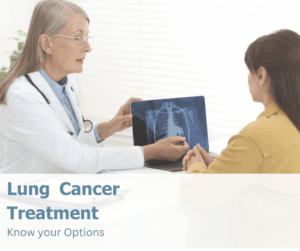
Lung Cancer Treatment Options
If you or a loved one is diagnosed with lung cancer, understanding treatment options is essential. Let’s explore the various ways lung cancer can be treated, offering hope and options for those affected.
If you or a loved one is diagnosed with lung cancer, understanding treatment options is essential. Let’s explore the various ways lung cancer can be treated, offering hope and options for those affected.
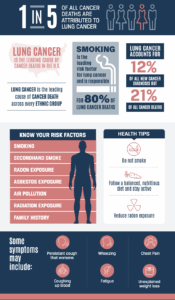
Preventing lung cancer is possible with lifestyle adjustments, risk awareness, and screenings. Here’s what you need to know about the factors that increase lung cancer risk and how to reduce them.

Lung cancer is a leading cause of cancer deaths worldwide, and its early symptoms are often overlooked or mistaken for less serious conditions. In this post, we’ll discuss what lung cancer is, explore its types, and focus on understanding the symptoms, so individuals can recognize early warning signs.
Family history plays a critical role in understanding your risk of breast cancer. Open discussions with both your family and healthcare provider can provide essential insights that could save lives.

A breast cancer diagnosis can be overwhelming, but today’s medical advances offer many treatment options tailored to each patient’s unique needs.
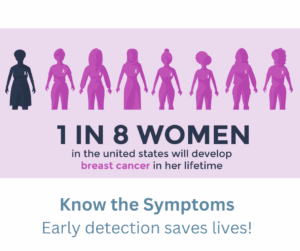
Breast cancer is one of the most common cancers affecting women worldwide. Early detection can significantly improve treatment outcomes, so it’s crucial to be aware of the symptoms and know when to seek medical attention. In this blog, we’ll discuss the key signs and symptoms of breast cancer, helping you stay informed and proactive about your breast health.
Breast cancer can affect anyone, but some individuals are at a higher risk than others. Understanding your risk factors is a critical step in prevention and early detection. In this second part of our Breast Cancer Awareness Month blog series, we’ll dive into the various factors that can increase the likelihood of developing breast cancer.
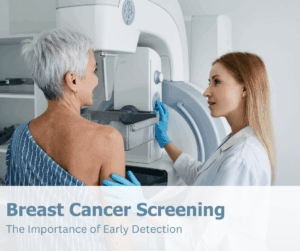
October is Breast Cancer Awareness Month, and there’s no better time to discuss one of the most crucial factors in beating this disease: early detection through screening. Regular screenings can dramatically increase the chances of catching breast cancer in its early stages when it’s most treatable.
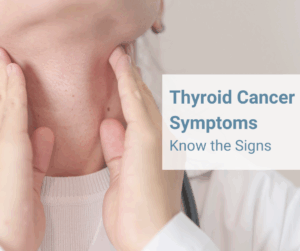
Thyroid cancer is a type of cancer that originates in the thyroid gland, located at the base of the neck. While it is relatively rare compared to other cancers, its incidence has been increasing in recent years. Early detection and advancements in treatment have improved outcomes, making it essential to understand the basics of thyroid cancer, its symptoms, and available treatment options.

Although one of the deadliest forms of cancer, pancreatic cancer is also one of the most difficult cancers to detect in its early stages. Oftentimes, symptoms are not present until the cancer has become very large or spread to other organs. To prevent this disease, it’s important to understand how it develops and some of the risk factors of pancreatic cancer.
November is Lung Cancer Awareness Month. Lung cancer doesn’t discriminate; it affects both smokers and non-smokers, emphasizing the importance of awareness and education no matter your lifestyle. With a disease prevalent among millions worldwide, there are steps you take now to reduce your risk. Check out these three key facts about lung cancer. Keep them in mind this month and evaluate your lifestyle and health. Is it time to make some changes this November?

Breast cancer affects millions of lives in the United States alone. We embrace the color pink this month to raise awareness for breast cancer because being informed is the first step to preventing this common disease.

In recognition of Gynecological Awareness Month, we’re shedding some light on the 5 types of gynecological cancer to help understand contributing risk factors and preventative detection. Women can feel confident in taking control of their health with knowledge to promote early detection, effective treatment, and overall well-being.
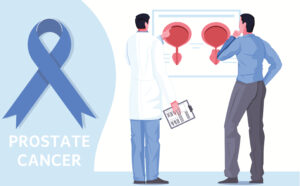
A prostate cancer diagnosis can be overwhelming and scary. You will probably have lots of questions, and wonder where to even begin. Be open with your doctor with your questions and concerns. Here’s a guide you can follow to gain understanding of what to expect.

Thinking about scheduling your prostate cancer screening? One way to test for prostate cancer is a prostate-specific antigen level test, also called a PSA blood test.
Here’s common questions surrounding PSA levels and our answers.

Q:
What is skin cancer?
A:
Skin cancer is a condition characterized by the abnormal growth of skin cells, often caused by excessive exposure to ultraviolet (UV) radiation from the sun or artificial sources like tanning beds. There are different types of skin cancer, including melanoma, basal cell carcinoma, and squamous cell carcinoma.

June is Men’s Health Month, a time dedicated to raising awareness about various health issues that impact men. One common condition that affects a large number of men, particularly as they age, is benign prostatic hyperplasia (BPH).

Melanoma skin cancer is a type of cancer that affects the melanocytes, the cells that produce pigment in the skin. It is the deadliest form of skin cancer, but it is also one of the most preventable and treatable if detected early.

Sleep is an essential aspect of our lives that is often overlooked. While we sleep, our body and mind recharge, and we wake up feeling refreshed and ready to tackle the day. However, lack of sleep can have a profound impact on our mental health, affecting our mood, emotions, and cognitive function. We will explore the relationship between sleep and mental health and the impact of sleep deprivation on our mental well-being.