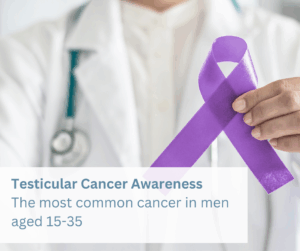
Testicular Cancer: Know the Signs, Catch It Early
Testicular cancer is the most common cancer in men between the ages of 15 and 35. While rare overall, it is highly treatable, especially when caught early.

Testicular cancer is the most common cancer in men between the ages of 15 and 35. While rare overall, it is highly treatable, especially when caught early.
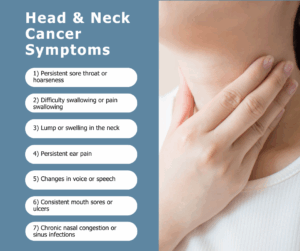
April is Head and Neck Cancer Awareness Month—a time to highlight cancers that affect the mouth, throat, voice box, nasal cavity, and sinuses. Though these cancers are less common than others, they can have a significant impact on daily life and long-term health.

March is Colorectal Cancer Awareness Month, a time to highlight the importance of screening, prevention, and early detection. Colon cancer is the second leading cause of cancer-related deaths, yet it is also one of the most preventable cancers.

Colonrectal cancer is one of the most common cancers, but when detected early, it is highly treatable. Understanding the warning signs can help you take action before the disease progresses. We encourage everyone to be aware of these symptoms and prioritize regular screenings.
Colorectal cancer is one of the most common cancers, yet it is also one of the most preventable and treatable when detected early. March is Colorectal Cancer Awareness Month, a time to raise awareness, encourage screenings, and promote healthy habits that can lower your risk.
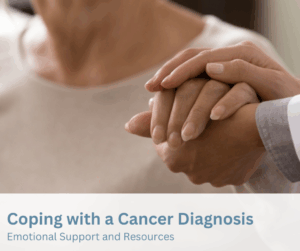
A cancer diagnosis can bring a wave of emotions—fear, anxiety, sadness, and even anger. While these feelings are normal, finding the right emotional support can make a significant difference in your journey.

February is American Heart Month, making it the perfect time to discuss the connection between heart disease and cancer. Many cancer treatments impact cardiovascular health, making it essential for patients and survivors to take steps to protect their hearts.

February is National Cancer Prevention Month, a time to raise awareness about the steps we can all take to reduce our cancer risk. While some factors, like genetics, are beyond our control, many lifestyle choices can help prevent cancer.

Cervical cancer can be treated in various ways, depending on the type of cancer and its stage. Here are the main treatment methods:
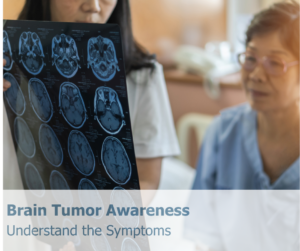
Understanding the risk factors associated with brain tumors is crucial, although it’s important to note that most brain tumors do not have a direct known cause. However, some factors that may increase the risk include:

Mental Health Awareness Month is a crucial time to highlight the psychological impact of chronic illnesses, including cancer. The diagnosis, treatment, and ongoing management of cancer can have significant emotional and psychological effects, not only on patients but also on their families and caregivers. Addressing the mental health needs of those affected by cancer is vital for comprehensive care.

National Women’s Health Week serves as a reminder to prioritize their physical and mental health, and overall well-being. This week aims to highlight women’s health issues and priorities and encourage women of all ages to prioritize their physical, mental, and emotional well-being. Join us in this uplifting journey as we dive into everything that makes women’s health so important.

Medical advancements have significantly improved the treatment options available for skin cancer, which is crucial as it remains one of the most common types of cancer worldwide.
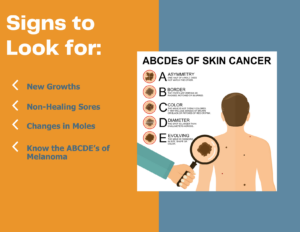
Detecting skin cancer early can make a significant difference in treatment outcomes. Learn more about practical steps for prevention and the vital role of early detection.
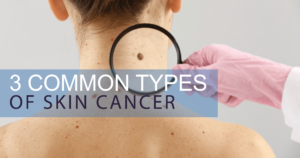
May is Skin Cancer Awareness Month, an annual campaign dedicated to educating the public about the most common form of cancer in the United States. Skin cancer affects millions each year, yet with proper awareness and precautions, it is also one of the most preventable. Learn more about skin cancer, its types, risk factors, and crucial preventive measures.
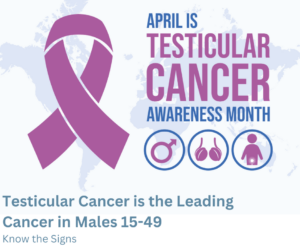
Testicular cancer originates in the testicles, vital organs responsible for sperm and hormone production in men. While comparatively rare, it predominantly affects younger men, with the highest incidence occurring between ages 15 and 35. However, vigilance is essential.

Diagnosing and treating head and neck cancer requires a multidisciplinary approach involving various healthcare professionals, including oncologists, surgeons, radiologists, and pathologists. In this blog, we’ll explore the process of diagnosing head and neck cancer and the different treatment options available.
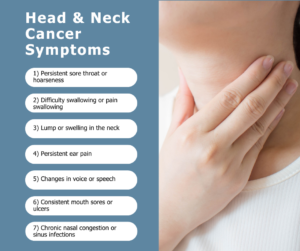
Early detection is crucial for successful treatment and improved outcomes in head and neck cancer. In this blog, we’ll delve into the symptoms of head and neck cancer and the importance of screening for early detection.

Head and neck cancers are a group of malignancies that affect various structures in the head and neck region, including the mouth, throat, larynx, and sinuses. Head and neck cancers account for about 4 percent of cancer cases in the United States. It is estimated that nearly 67,000 people in the United States will be diagnosed with head and neck cancers in 2023. Men are twice as likely to be diagnosed with head and neck cancer compared to women.