December 25, 2025 – Closed
December 25, 2025 – Closed
January 1, 2026 – Closed
As of the afternoon of January 23, 2025, our phones are operational. Thank you for your patience as our phone provider experienced a national outage that impacted our phone services on the afternoon of January 22 and the morning of January 23.
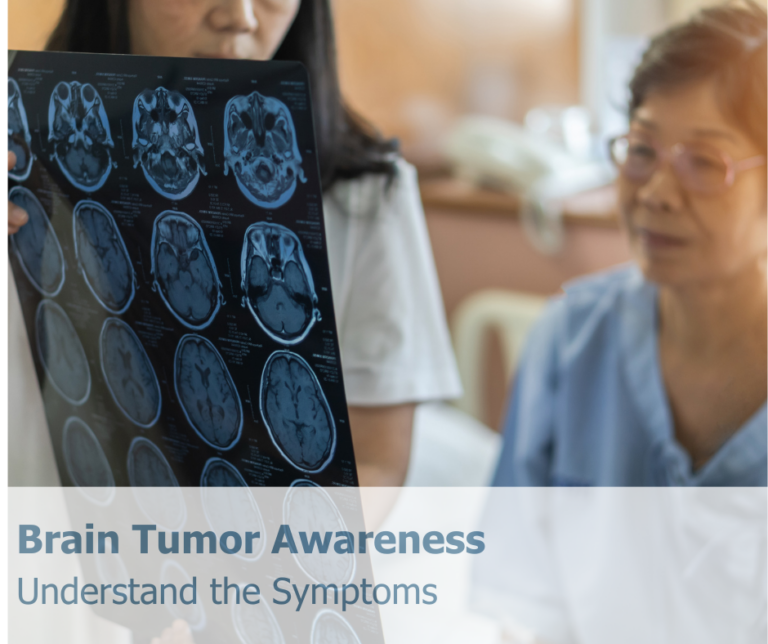
Understanding Brain Tumors: Awareness, Risks, and Treatment
Risk Factors of Brain Tumors
Understanding the risk factors associated with brain tumors is crucial, although it’s important to note that most brain tumors do not have a direct known cause. However, some factors that may increase the risk include:
Symptoms of Brain Tumors
The symptoms of brain tumors vary widely and depend largely on the tumor’s location, size, and rate of growth. Common symptoms include:
If you experience any of these symptoms persistently, it is crucial to consult with a healthcare professional for evaluation.
Treatment Options for Brain Tumors
Treatment for brain tumors depends on the type, size, and location of the tumor, as well as the patient’s overall health. Common treatment options include:
Brain Tumor Awareness Month is a vital time for education and empowerment concerning the understanding of brain tumors. By learning more about the risk factors, recognizing the symptoms, and understanding the available treatments, individuals can better advocate for themselves or their loved ones. Awareness and education are key components in improving outcomes and supporting those impacted by brain tumors.
Our caring team of experts are here to provide you with a custom-tailored treatment plan that is unique to your diagnosis, tumor size, location and involvement. Click on the button below to learn more.