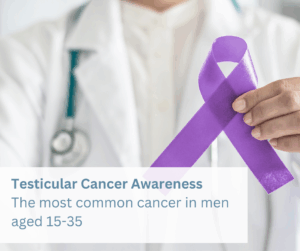
Testicular Cancer: Know the Signs, Catch It Early
Testicular cancer is the most common cancer in men between the ages of 15 and 35. While rare overall, it is highly treatable, especially when caught early.

Testicular cancer is the most common cancer in men between the ages of 15 and 35. While rare overall, it is highly treatable, especially when caught early.
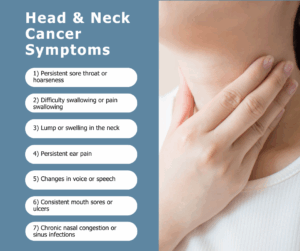
April is Head and Neck Cancer Awareness Month—a time to highlight cancers that affect the mouth, throat, voice box, nasal cavity, and sinuses. Though these cancers are less common than others, they can have a significant impact on daily life and long-term health.
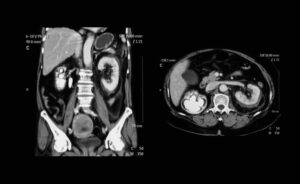
March is Colorectal Cancer Awareness Month, a time to highlight the importance of screening, prevention, and early detection. Colon cancer is the second leading cause of cancer-related deaths, yet it is also one of the most preventable cancers.

Colonrectal cancer is one of the most common cancers, but when detected early, it is highly treatable. Understanding the warning signs can help you take action before the disease progresses. We encourage everyone to be aware of these symptoms and prioritize regular screenings.
Colorectal cancer is one of the most common cancers, yet it is also one of the most preventable and treatable when detected early. March is Colorectal Cancer Awareness Month, a time to raise awareness, encourage screenings, and promote healthy habits that can lower your risk.
A cancer diagnosis can bring a wave of emotions—fear, anxiety, sadness, and even anger. While these feelings are normal, finding the right emotional support can make a significant difference in your journey.

February is American Heart Month, making it the perfect time to discuss the connection between heart disease and cancer. Many cancer treatments impact cardiovascular health, making it essential for patients and survivors to take steps to protect their hearts.

February is National Cancer Prevention Month, a time to raise awareness about the steps we can all take to reduce our cancer risk. While some factors, like genetics, are beyond our control, many lifestyle choices can help prevent cancer.

Cervical cancer can be treated in various ways, depending on the type of cancer and its stage. Here are the main treatment methods:
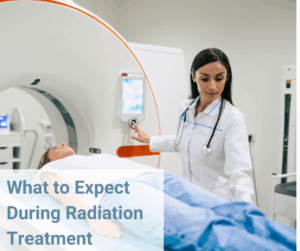
Radiation therapy is a highly targeted treatment that uses high-energy rays to destroy cancer cells. It’s designed to minimize damage to surrounding healthy tissue while effectively treating the cancer site. Depending on your diagnosis, radiation therapy may be used alone or in combination with other treatments like chemotherapy or surgery.

The holiday season is often associated with joy, celebration, and togetherness. However, for those navigating a cancer diagnosis, it can bring a mix of emotions—stress, sadness, and even anxiety. Balancing treatment, family gatherings, and self-care may feel overwhelming, but there are ways to make the season more manageable and meaningful.
Here are some tips for coping with cancer during the holidays:
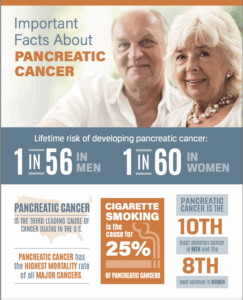
Pancreatic cancer has long been one of the most challenging cancers to treat, but advances in research, treatment, and advocacy are providing new hope. This Pancreatic Cancer Awareness Month, let’s focus on the importance of innovative treatment options and how we can support ongoing research for better patient outcomes.

November is Pancreatic Cancer Awareness Month, a time to shine a light on one of the deadliest cancers that, despite its severity, receives limited attention. Pancreatic cancer is challenging to diagnose early, spreads quickly, and has a low survival rate. However, awareness and understanding can help in early detection and support ongoing research to improve outcomes.

If you or a loved one is diagnosed with lung cancer, understanding treatment options is essential. Let’s explore the various ways lung cancer can be treated, offering hope and options for those affected.
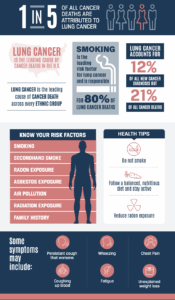
Preventing lung cancer is possible with lifestyle adjustments, risk awareness, and screenings. Here’s what you need to know about the factors that increase lung cancer risk and how to reduce them.

Lung cancer is a leading cause of cancer deaths worldwide, and its early symptoms are often overlooked or mistaken for less serious conditions. In this post, we’ll discuss what lung cancer is, explore its types, and focus on understanding the symptoms, so individuals can recognize early warning signs.
Family history plays a critical role in understanding your risk of breast cancer. Open discussions with both your family and healthcare provider can provide essential insights that could save lives.

A breast cancer diagnosis can be overwhelming, but today’s medical advances offer many treatment options tailored to each patient’s unique needs.
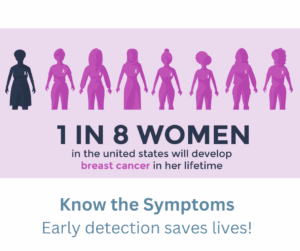
Breast cancer is one of the most common cancers affecting women worldwide. Early detection can significantly improve treatment outcomes, so it’s crucial to be aware of the symptoms and know when to seek medical attention. In this blog, we’ll discuss the key signs and symptoms of breast cancer, helping you stay informed and proactive about your breast health.