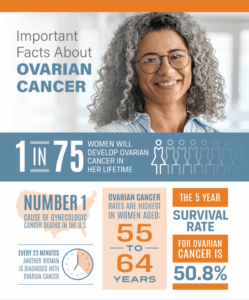
Ovarian Cancer Awareness
Ovarian cancer is often called the “silent cancer” because its early symptoms can be mistaken for other conditions. Understanding risk factors and warning signs is crucial.
Ovarian cancer is often called the “silent cancer” because its early symptoms can be mistaken for other conditions. Understanding risk factors and warning signs is crucial.
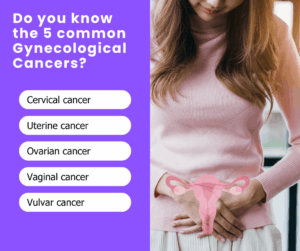
Gynecologic cancers include cancers of the cervix, ovaries, uterus, vulva, and vagina. Awareness and regular screening can make a life-saving difference.
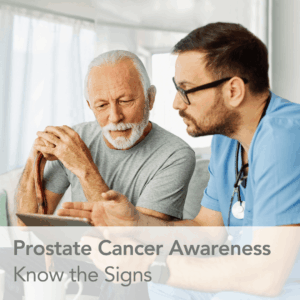
Prostate cancer is one of the most common cancers among men, but when detected early, it is also one of the most treatable. Raising awareness about risk factors, screening guidelines, and treatment options helps men take proactive steps for their health.

Even gentle movement can reduce fatigue, improve your mood, and support healing.
Why staying active helps:
• Boosts energy levels and reduces fatigue
• Improves sleep and reduces anxiety
• Maintains strength, balance, and mobility
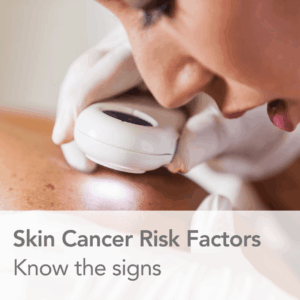
Skin cancer is the most common form of cancer in the United States, but with early detection and prevention, it’s also one of the most treatable.

Sleep is a key part of healing, especially during cancer treatment. Your body uses this time to restore itself, manage stress, and support your immune system. Unfortunately, many people undergoing treatment find it difficult to sleep well.

Good nutrition is essential during cancer treatment, and summer offers a bounty of seasonal foods that can help you feel your best. Fresh fruits, vegetables, and hydrating meals not only support your immune system but also help manage treatment side effects.
Summer brings sunshine, warmth, and outdoor fun—but for those undergoing cancer treatment, it also brings added challenges. Heat and humidity can increase the risk of dehydration, especially when combined with side effects from chemotherapy, radiation, or medications.
July is Sarcoma and Bone Cancer Awareness Month—a time to shed light on a group of rare but serious cancers that often go unnoticed. While they make up only about 1% of all adult cancers, sarcomas can affect anyone at any age, and early detection can make a significant difference.

Bladder cancer is one of the most common cancers in the United States, particularly affecting older adults and more frequently diagnosed in men than women. As with many cancers, early detection can significantly improve outcomes, which makes awareness of symptoms and risk factors critically important.

Being diagnosed with skin cancer can be overwhelming—but the good news is that skin cancer is often highly treatable, especially when caught early. There are several effective treatment options, and the best approach depends on the type, location, and stage of your cancer, as well as your overall health.

Sunshine is good for the soul, but too much can damage your skin and increase your risk of skin cancer. The good news? Most skin cancers are preventable with a few smart habits.

Skin cancer is the most common form of cancer in the United States, and when detected early, it’s also one of the most treatable. That’s why knowing the warning signs and regularly checking your skin is so important.
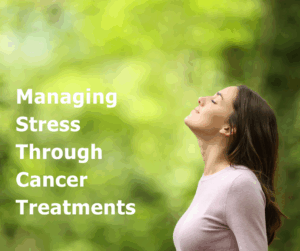
A cancer diagnosis brings more than just physical challenges—it also affects emotional and mental health. It’s completely normal to feel overwhelmed, anxious, or even scared. But managing stress throughout treatment can help improve your overall well-being and support healing.
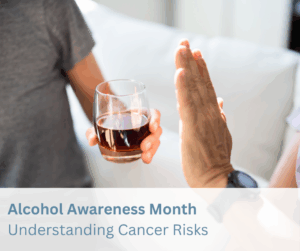
April is Alcohol Awareness Month—an important time to understand how alcohol consumption affects cancer risk. Regular alcohol use is linked to an increased risk of cancers, including breast, liver, mouth, throat, and esophagus.
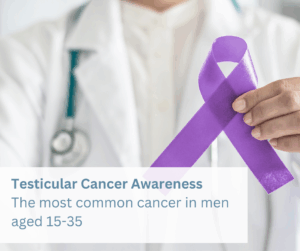
Testicular cancer is the most common cancer in men between the ages of 15 and 35. While rare overall, it is highly treatable, especially when caught early.
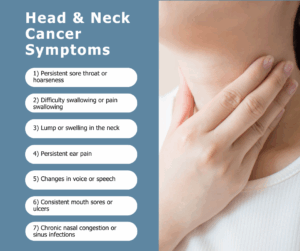
April is Head and Neck Cancer Awareness Month—a time to highlight cancers that affect the mouth, throat, voice box, nasal cavity, and sinuses. Though these cancers are less common than others, they can have a significant impact on daily life and long-term health.
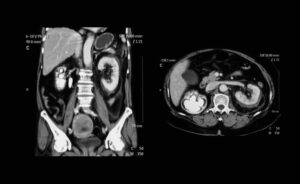
March is Colorectal Cancer Awareness Month, a time to highlight the importance of screening, prevention, and early detection. Colon cancer is the second leading cause of cancer-related deaths, yet it is also one of the most preventable cancers.

Colonrectal cancer is one of the most common cancers, but when detected early, it is highly treatable. Understanding the warning signs can help you take action before the disease progresses. We encourage everyone to be aware of these symptoms and prioritize regular screenings.