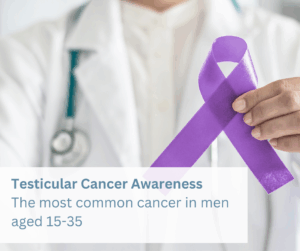
Testicular Cancer: Know the Signs, Catch It Early
Testicular cancer is the most common cancer in men between the ages of 15 and 35. While rare overall, it is highly treatable, especially when caught early.

Testicular cancer is the most common cancer in men between the ages of 15 and 35. While rare overall, it is highly treatable, especially when caught early.
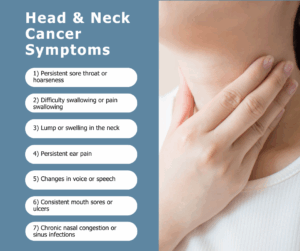
April is Head and Neck Cancer Awareness Month—a time to highlight cancers that affect the mouth, throat, voice box, nasal cavity, and sinuses. Though these cancers are less common than others, they can have a significant impact on daily life and long-term health.

March is Colorectal Cancer Awareness Month, a time to highlight the importance of screening, prevention, and early detection. Colon cancer is the second leading cause of cancer-related deaths, yet it is also one of the most preventable cancers.

Colonrectal cancer is one of the most common cancers, but when detected early, it is highly treatable. Understanding the warning signs can help you take action before the disease progresses. We encourage everyone to be aware of these symptoms and prioritize regular screenings.
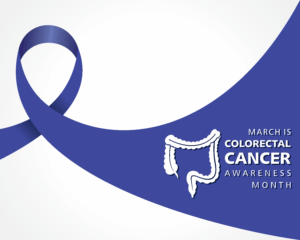
Colorectal cancer is one of the most common cancers, yet it is also one of the most preventable and treatable when detected early. March is Colorectal Cancer Awareness Month, a time to raise awareness, encourage screenings, and promote healthy habits that can lower your risk.
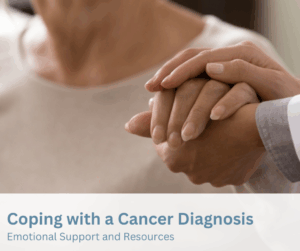
A cancer diagnosis can bring a wave of emotions—fear, anxiety, sadness, and even anger. While these feelings are normal, finding the right emotional support can make a significant difference in your journey.

February is American Heart Month, making it the perfect time to discuss the connection between heart disease and cancer. Many cancer treatments impact cardiovascular health, making it essential for patients and survivors to take steps to protect their hearts.

February is National Cancer Prevention Month, a time to raise awareness about the steps we can all take to reduce our cancer risk. While some factors, like genetics, are beyond our control, many lifestyle choices can help prevent cancer.

Cervical cancer can be treated in various ways, depending on the type of cancer and its stage. Here are the main treatment methods:

Cancer is a disease that affects millions of people worldwide, and while there are many factors that contribute to cancer, there are also many preventative measures that women can take to reduce their risk. This Women’s Health Week, we will explore some of the best practices women can follow to lessen their chance of developing cancer.
Maintain a Healthy Diet
One of the best things you can do for your health is to maintain a healthy and balanced diet. Eating a diet rich in fruits, vegetables, and whole grains can help provide the nutrients and antioxidants your body needs to fight cancer. Additionally, reducing your consumption of processed foods, red meat, and sugary drinks can help lower your cancer risk.

Head and neck cancer is a term used to describe a variety of cancers that occur in the head and neck region. This includes the oral cavity, pharynx, larynx, salivary glands, nasal cavity, and sinuses. The most common type of head and neck cancer is squamous cell carcinoma, which accounts for more than 90% of cases. This blog will guide you through the symptoms of head and neck cancer, the diagnostic process and treatment options.

As you prepare to send your kids back to school, the to-do lists and back-to-school shopping start to pile up. It’s no surprise sun protection slips down the list of priorities as you move away from outdoor activities and focus on classroom needs.

Exercise is known to have a number of health benefits and helps sustain a higher quality of life. The amount of physical activity an individual participates in might change with age; at any stage of life, regularly engaging in a form of exercise can significantly impact your health.