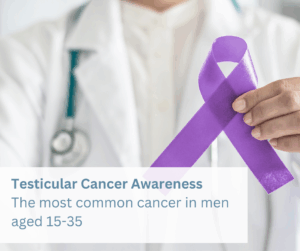
Testicular Cancer: Know the Signs, Catch It Early
Testicular cancer is the most common cancer in men between the ages of 15 and 35. While rare overall, it is highly treatable, especially when caught early.

Testicular cancer is the most common cancer in men between the ages of 15 and 35. While rare overall, it is highly treatable, especially when caught early.
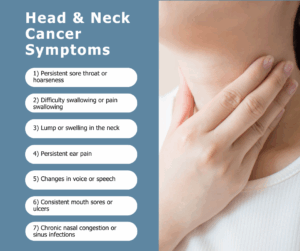
April is Head and Neck Cancer Awareness Month—a time to highlight cancers that affect the mouth, throat, voice box, nasal cavity, and sinuses. Though these cancers are less common than others, they can have a significant impact on daily life and long-term health.

March is Colorectal Cancer Awareness Month, a time to highlight the importance of screening, prevention, and early detection. Colon cancer is the second leading cause of cancer-related deaths, yet it is also one of the most preventable cancers.

Colonrectal cancer is one of the most common cancers, but when detected early, it is highly treatable. Understanding the warning signs can help you take action before the disease progresses. We encourage everyone to be aware of these symptoms and prioritize regular screenings.
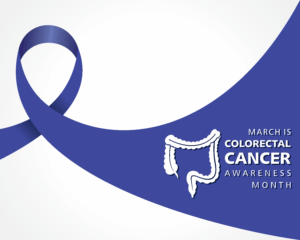
Colorectal cancer is one of the most common cancers, yet it is also one of the most preventable and treatable when detected early. March is Colorectal Cancer Awareness Month, a time to raise awareness, encourage screenings, and promote healthy habits that can lower your risk.
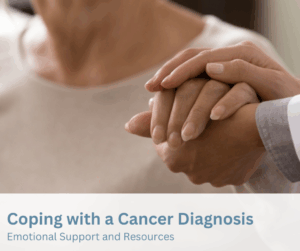
A cancer diagnosis can bring a wave of emotions—fear, anxiety, sadness, and even anger. While these feelings are normal, finding the right emotional support can make a significant difference in your journey.

February is American Heart Month, making it the perfect time to discuss the connection between heart disease and cancer. Many cancer treatments impact cardiovascular health, making it essential for patients and survivors to take steps to protect their hearts.

February is National Cancer Prevention Month, a time to raise awareness about the steps we can all take to reduce our cancer risk. While some factors, like genetics, are beyond our control, many lifestyle choices can help prevent cancer.

Cervical cancer can be treated in various ways, depending on the type of cancer and its stage. Here are the main treatment methods:
Cervical cancer is a significant health concern for women worldwide. However, with advancements in medical science, early diagnosis and effective treatment options have led to improved outcomes for patients. In this blog, we will delve into the diagnosis and treatment of cervical cancer, shedding light on the crucial steps in the fight against this disease.

Prevention is critical when it comes to Cervical cancer. By adopting healthy lifestyle choices and taking advantage of available vaccinations, women can significantly reduce their risk of developing this disease. In this blog post, we will explore the importance of lifestyle choices and vaccination in cervical cancer prevention.
Cervical cancer screening is a vital tool in the early detection and prevention of cervical cancer. Regular screenings can identify abnormalities in the cervix before they develop into cancerous cells. In this blog post, we will discuss the importance of cervical cancer screening and the guidelines to follow.
Cervical cancer is a serious health condition that affects thousands of women worldwide. Recognizing the symptoms and seeking medical attention promptly is crucial for early detection and treatment. Here are some common symptoms of cervical cancer that every woman should be aware of:
While some risk factors are beyond our control, understanding the factors that increase the likelihood of developing Cervical cancer can empower women to take proactive steps in prevention, early detection, and treatment. In this blog post, we will explore the various risk factors associated with Cervical cancer.
Cervical cancer is a significant health issue affecting women worldwide. According to the American Cancer Society, more than 13,000 women will be diagnosed with cervical cancer this year, most often in women over the age of 30.

Kidney stones are hard masses that form from crystals in the urine. Sometimes, they do not have recognizable symptoms, but often, kidney stones can be very painful. Either way, you will want to avoid them, or maybe you’ve had them and you’re in no rush for them to return. There are preventative actions you can take with changes to your diet plan that will help keep kidney stones from building.

Colorectal cancer, also known as colorectal cancer, is a significant health concern worldwide. However, there are proactive steps you can take to reduce your risk of developing this disease. Here are five crucial facts that can help you lower your risk of colon cancer:

Lymphoma is a type of cancer that originates in the lymphatic system, a vital part of the body’s immune system. There are two main types of lymphoma: Hodgkin lymphoma (HL) and non-Hodgkin lymphoma (NHL). Both types of lymphoma affect the body differently and have distinct characteristics.

As family travels from near and far to be together during the holiday season, it’s an opportune time for you to not only cherish the time with your loved ones, but also gain a deeper understanding of your family’s health history. Take the time to have important conversations about family health history. Discussing your family’s health background doesn’t have to overshadow the festive atmosphere, however, it can be a valuable way to understand potential health issues that may be hereditary, allowing you to proactively address them with your healthcare provider.